
Ever thought about the unintended consequences that social media has on your mental health? Social media may have no impact on you at all, but earlier this year I decided to take a social media break for a week. Why?
At times social media was taking over and I was becoming reliant on this to occupy myself and automatically reaching for it without any real need to. This got me wondering what makes social media so attractive and why it’s so easy to invest chunks of time scrolling on it. Instagram is what I’d generally spend more time on, then Facebook next. Twitter not so much. I’ve noticed more that at times everything is glamorised, whether it be out for food, making a coffee, shopping or at the gym. Why is it that we do those things.
Habits Measured Up
My habits usually involved mindlessly viewing, liking and moving on. Even story-watching things that don’t interest me. This was becoming more apparent, especially when a glance at my phone turned into 30 minutes and missing half of a new episode on Netflix. I’m sure we’ve all been there. Of course, social media has so many positives aspects, from keeping in touch with old friends and family that live a long distance, being able to announce life events and giving us more awareness on important topics. Not to mention the self-care tips and inspiration pages. However, these platforms in excess have negative impacts on mental health and self-esteem, so when these habits creep back I know its time for a break.
Reasons To Take A Social Media Detox
1. COMPARISON
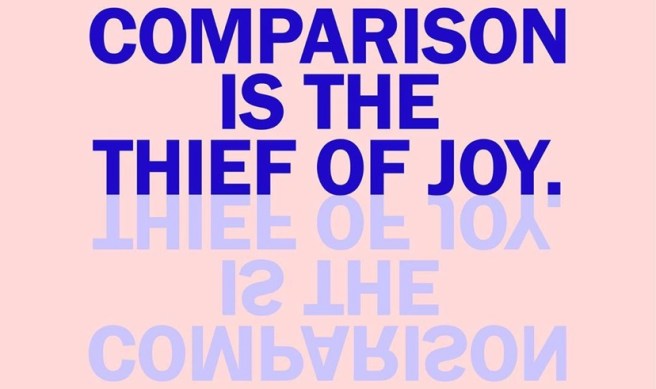
We all have those triggers that make us feel less-than or self-conscious. Truthfully, all of us showcase the best parts of our lives on social media and reality is often lost, meaning that whether it be conscious or sub-conscious we compare our lives to others, even people we don’t know. Throughout life, we all would’ve compared ourselves to other successes, looks or achievements at some point. This can bring massive inspirations and be informative. Maybe this is just me, but my feed is often filled with people buying homes, flashy cars and booking the best-looking holiday just to name a few. It’s so easy to get caught up in the comparison trap and no wonder this creates underlying pressures. My point is, surely comparing your average everyday life to the best parts of other peoples filtered Instagram squares will likely make you feel like you’re slacking and maybe even get you analysing your own life based other peoples. Everyone has those big milestones or goals in life they want to reach, but it’s important to remember that everyone is facing their battles and fears. Ultimately life isn’t a race, so run your path and let others run theirs. Taking a break from social media is a good reminder of this.
2. RECLAIM YOUR TIME BACK
I was shocked by the number of times I picked my phone up in the evenings, was it because I was bored or because I needed to fill that space in between activities just to feel productive. Who knows. Even if it’s simply waiting for the kettle to boil downstairs, why do I need to bring my phone with me? There’s even a ‘look up’ campaign to stop people scrolling whilst walking. That’s saying something. Putting some boundaries in place by either deleting the apps completely or setting screen time limits on my settings made me so much more mindful. I felt more present and not so lost in the real-but-not-real world behind my screen. I then had more time to unwind after work properly and do the things I’d been putting off (like taxing my car!). My mum was also a little taken back when she saw me hoovering, but buying a Kindle was the best part because it made me realise how much I’d missed picking up a good twisty thriller.
It’s probably not surprising to hear that there have been links found between sleep problems and social media. The majority of my weekdays involve sat looking at a screen for 8 hours in work mode to then watching TV in the evenings, by adding that up to social media usage my eyes were probably not getting much of break. I may be an early riser but I love a good sleep as much as the next person, so if time away from apps and mindlessly scrolling helps me not have a disrupted sleep, I’m all in. Scrolling for holidays if exempt from this I might add.
3. YOU WON’T LOSE FRIENDSHIPS
Social media can often lead you into the trap of having your happiness to be too dependant on others validations, meaning the amount of likes and comments gained. Whilst its a nice feeling to think everyone cares, its more important to question how much that matters. Those people I consider my close friends would get more than just a happy birthday post on their feed or liking their latest photos. To be honest, my closest friends I rarely interact with on social media, but more face-to-face interactions, group chats, FaceTime calls or texts. Basically in more personal ways. My point is, happiness should not be sustained by your social media interactions and a true friendship wouldn’t end by deactivating your accounts. Well, you’d hope not!
4. IT CAN HELP CURB YOUR FOMO (FEAR OF MISSING OUT)
Just trying to avoid social media can create FOMO all on its own. Whether its a fear of missing plans, someone’s big life announcement or a new trend. This is probably what led to me waking up and checking my social media notifications before even getting out of bed. It’s a natural, yet undesirable way of reacting to certain situations, but once you learn to stop the habit of checking up on social events that you’re not attending, or even caring, you can spend more time doing the things you love. Even if that does involve binge-watching Gavin & Stacey for the 5th time. Reality is, if its that important, your friends, family and group chats will take care of that. Once I got past this stage, it was like a weight was lifted. It all made me feel less anxious in a way I couldn’t explain. Bonus.
Overall I feel that social media and its intentions have changed so much. It’s gone from MSN and going to the local library with friends to use Facebook at aged 11, to the perfect filters and glamorised everything. I don’t intend just yet to delete social media permanently, but I’ve learned that balance is key. I’m a lot more conscious of how much time I spend on social media, what I choose to engage with and importantly, learning that a little break once in a while doesn’t hurt.
Ever thought about how your social media usage impacts you?

 Holly Smith